
When I first tried the service that streams Assassin’s Creed Valhalla to my 8‑GB RAM notebook, the load time was under three seconds. The game ran at 60 fps, and the graphics were set to “high” – all without a dedicated GPU. The secret is a data centre in London that streams the video feed over fibre, meaning the hardware in my hands is just a receiver. In practice, that translates to a cost saving of roughly £150 per year compared with buying a mid‑range console and its games.
What does cloud gaming mean for broadband providers?
Peak usage spikes have moved from the evening TV slot to the early afternoon, when people log in for a quick session between meetings. Ofcom’s latest report shows that average downstream speeds in the UK have risen from 65 Mbps in 2020 to 115 Mbps in 2024, largely driven by demand for low‑latency streaming. Some providers now offer “gaming‑optimised” packages that guarantee under 30 ms ping to the nearest server farm – a figure that would have been unthinkable a decade ago.
For smaller ISPs, the shift is a double‑edged sword. On the one hand, they can attract a niche market by advertising “no‑buffer gaming”. On the other, they must invest in edge caching to keep latency down, which can be a capital outlay of up to £20 000 per site.
How are traditional broadcasters reacting?
The BBC’s iPlayer now includes a “play‑now” tab for interactive titles that are streamed from the same cloud infrastructure used by game services. During a recent test, a 30‑minute interactive drama loaded instantly on a 4G connection, proving that the line between video on demand and playable content is blurring.
Channel 4 has experimented with “choose‑your‑own‑adventure” adverts that let viewers decide the outcome of a short narrative, all rendered in real time on the cloud. The pilot ran for two weeks and recorded a 12 % increase in ad recall compared with static spots.
What about the cost for the average gamer?
Subscription fees vary, but the most popular tier in the UK sits at £12.99 per month for unlimited access to a library of 300 titles. Add a £4.99 “premium” add‑on for early access to new releases, and the total is still cheaper than buying three new releases at £59 each. Moreover, there is no need to upgrade a console every three years – the cloud service updates the hardware for you.
However, the model does penalise heavy users. After 200 hours of play in a calendar month, the provider adds a £1 surcharge per extra hour. For a competitive player who logs 250 hours, that’s an extra £50 – a figure that can catch casual gamers off guard.
How does this reshape the broader entertainment ecosystem?
The ripple effect is already visible in retail. Physical game stores report a 22 % drop in new‑release sales between January and June 2024, while they note a rise in merchandise and retro console sales – a shift towards “collectible” experiences that can’t be streamed.
Meanwhile, social platforms are integrating cloud‑gaming widgets. A Twitch streamer I follow recently switched from a PlayStation 5 to a cloud console, noting that the switch reduced his hardware maintenance time by 40 %. His audience, mostly UK‑based, responded positively, with chat messages like “no more overheating” popping up regularly.
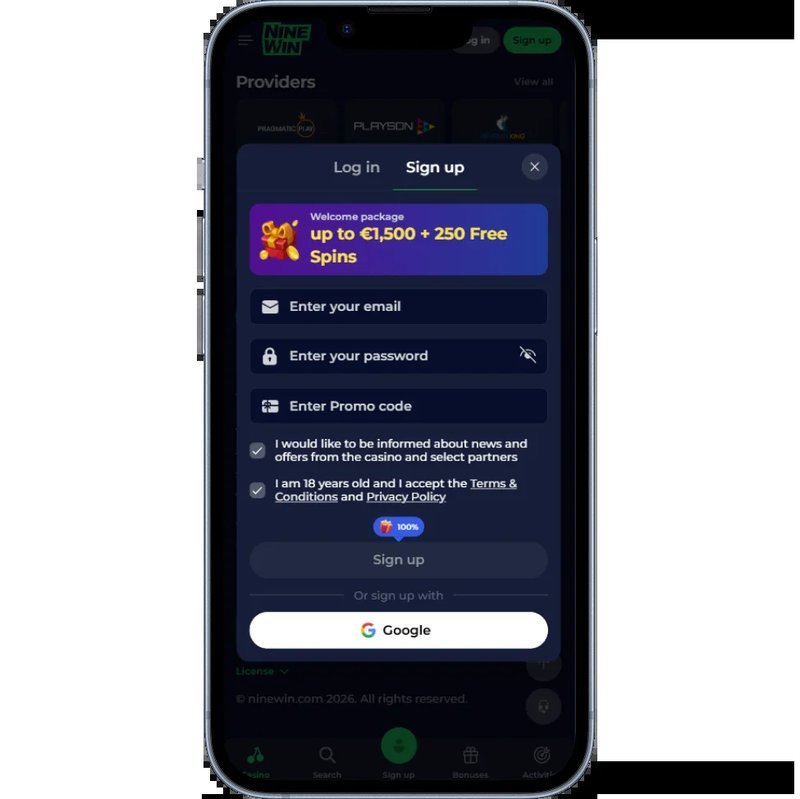
Speaking of the wider online entertainment sphere, many users who discover cloud gaming end up exploring other streaming services, such as the betting and racing platform ninewin, which offers a similarly instant, no‑download experience. The convenience factor is the common thread tying these services together.
What should I watch out for?
The biggest limitation remains data caps. Even a modest 1080p stream consumes around 7 GB per hour. For a typical UK broadband plan with a 500 GB monthly limit, a 10‑hour gaming session will eat up 14 % of the allowance, leaving less for streaming films or video calls.
Also, not every part of the country enjoys the same latency. Rural areas, especially in the Highlands and Cornwall, still report average pings above 80 ms, which can make fast‑paced shooters feel sluggish. Until the fibre rollout reaches every postcode, those users will face a compromised experience.
Is cloud gaming here to stay?
All signs point to a continued upward trajectory. Investment in UK data centres has risen by 18 % year‑on‑year, and major studios are now negotiating exclusive launch windows with cloud providers. For anyone with a decent internet connection, the model offers a low‑upfront, high‑flexibility way to access the latest games without the clutter of hardware.
In short, cloud gaming is not just a novelty; it’s reshaping how we think about ownership, cost, and even the social rituals around gaming. If you can spare a decent broadband line, the future is already streaming into your living room.
Frequently Asked Questions
Can I play AAA games on a low-end laptop without a GPU?
Yes, by using cloud gaming services that stream the game to your laptop over a fast internet connection.
Does cloud gaming require a high-speed internet connection?
A minimum of 10 Mbps and low latency is recommended for smooth 60fps gameplay.
Will my laptop’s battery drain quickly during cloud gaming?
Battery usage is similar to streaming video, so you can play for hours if you have a charger, but it may drain faster than usual.
What are the cost savings compared to buying a console?
Cloud gaming can save roughly £150 per year by eliminating the upfront cost of a console and physical games.