
Debunking common myths about casinos What you really need to know
Understanding the Reality of Casino Odds
One of the most persistent myths surrounding casinos is that the odds are overwhelmingly stacked against players. While it’s true that casinos have a built-in house edge on most games, this doesn’t mean players have no chance of winning. For example, in games like blackjack and poker, skill plays a significant role in determining the outcome. This means that a knowledgeable player can leverage strategies to improve their odds of success, turning the myth of guaranteed loss on its head. If you’re interested in unique gaming experiences, consider checking out Ice Fishing Live, a game that combines excitement and chance.

Moreover, it’s essential to differentiate between various types of games. Slot machines often have a higher house edge, but table games such as poker and blackjack provide better odds for players. Understanding the mechanics behind each game can help demystify the misconception that all casino games are rigged and will always lead to losses. Education about game rules, strategies, and odds empowers players and enhances their experience.
Additionally, the notion that casinos are always losing propositions ignores the psychological aspect of gambling. Many players participate not solely for the chance of winning big but for the entertainment value, social interaction, and thrill of the game. When approached with the right mindset, casinos can provide a fun and memorable experience, dispelling the myth that they are merely traps for financial ruin.
Myth of the Lucky Streaks
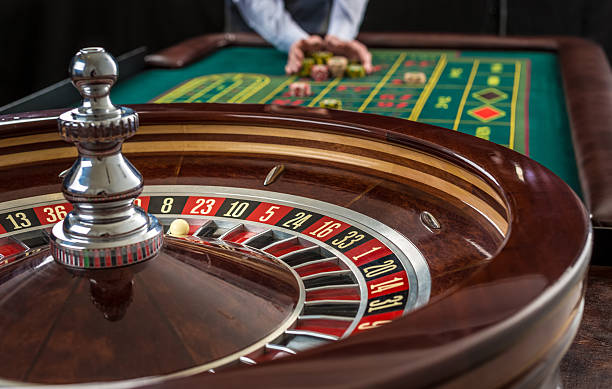
Another common myth is the belief in “lucky streaks.” Many people think that once a player wins, they are likely to continue winning, thanks to luck or some unseen force. However, in reality, games of chance like roulette and slots operate independently from previous outcomes. This principle is known as the “gambler’s fallacy,” where players erroneously believe that past events influence future ones. Each spin of the wheel or pull of the lever is an independent event, making it crucial for players to understand that there are no guarantees of continued success. Furthermore, understanding the connection between casinos and local economies can shed light on how these establishments impact their communities.
This misconception can lead to reckless betting behavior. Players may feel compelled to increase their bets after a win, believing they are on a winning streak. Such actions often result in losses and disappointment. Educating players about the importance of responsible gambling and understanding the nature of games can help them make informed decisions, ultimately leading to a more enjoyable experience.
To combat the myths surrounding lucky streaks, it’s beneficial to adopt a more mathematical approach to gaming. Players should familiarize themselves with probability and expected value calculations for different games. Understanding these concepts can help in developing strategies that are grounded in reality rather than superstition, leading to a healthier relationship with gaming.
The Illusion of Skill in Games of Chance
A common misconception is that all casino games require a high degree of skill for players to succeed. While it’s true that games like poker and blackjack involve strategy, many other games, like slots and roulette, are purely based on chance. This myth leads players to overestimate their abilities and potentially make unwise betting decisions. Recognizing the difference between skill-based and chance-based games is vital for a realistic understanding of one’s potential in a casino setting.
Moreover, the argument that players can consistently outsmart the casino overlooks the fact that house advantages exist for a reason. Casinos are designed to profit from games, and while players can certainly employ strategies to increase their chances, there will always be an inherent risk. Acknowledging this balance is essential to avoid disappointment and to enhance enjoyment when playing casino games.
It’s also worth noting that the presence of skill in some games should be seen as an opportunity rather than a guaranteed pathway to riches. Players can take classes, read books, or practice online to develop their skills. By doing so, they can approach skill-based games with confidence, understanding that while skill can improve their odds, it doesn’t eliminate the risk associated with gambling entirely.
Casinos and Their Economic Impact
Many people believe that casinos only serve to drain local economies, leading to increased crime and social issues. This myth ignores the complex economic impacts that casinos can have on their surrounding areas. When built responsibly, casinos can create jobs, boost tourism, and generate tax revenue that supports local infrastructure. Studies show that in regions where casinos are established, there is often a corresponding increase in local businesses, including restaurants and hotels, contributing positively to the economy.
Moreover, the revenue generated by casinos can be reinvested into community programs, education, and public services. This dual benefit can help mitigate the negative perceptions often associated with gambling establishments. By looking at the broader economic picture, it becomes evident that casinos can play a pivotal role in revitalizing struggling areas and providing economic opportunities for local residents.
It’s also essential to acknowledge the regulatory frameworks that are often in place to ensure responsible casino operation. These frameworks aim to minimize social harms while maximizing economic benefits. By promoting responsible gambling initiatives and supporting community engagement, casinos can balance their profit motives with social responsibility, dispelling the myth that they are purely exploitative entities.
Exploring Engaging Casino Experiences Online
As technology advances, the landscape of casinos is rapidly evolving, with online platforms providing new avenues for entertainment. Websites like the Ice Fishing platform offer unique gaming experiences that combine traditional casino elements with modern features, appealing to a diverse audience. These engaging formats cater to both casual players and high rollers, bridging the gap between in-person and online gambling.
Online casinos have transformed the way people engage with games, allowing for real-time gameplay and interactive experiences. Players can enjoy the thrill of competition while sitting at home, making the casino experience more accessible than ever. Such platforms can also incorporate educational elements, helping new players learn the ropes without the pressure of a physical environment.
In conclusion, the modern casino experience is multifaceted, with online platforms enhancing the traditional gambling world. Players looking for immersive experiences should explore innovative gaming sites that not only provide entertainment but also offer opportunities for education and skill development. This evolution in the casino industry helps dispel myths and invites players to engage with a more informed perspective on gaming.