
The House Edge Explained
The concept of the house edge is fundamental to understanding how casinos operate. This term refers to the mathematical advantage that the casino has over players in any given game. For example, in games like blackjack or roulette, the odds are structured in such a way that, over time, the casino is guaranteed to profit. The house edge varies from game to game; in blackjack, it can be as low as 0.5% with optimal play, while in roulette, it can rise to as high as 5.26% depending on the version of the game played. Many players enjoy exploring their options at an online casino australia to test their skills, but this means that while players can win in the short term, the house edge ensures that the casino will ultimately emerge victorious.
Understanding the house edge also involves recognizing the difference between skill-based games and games of chance. While games such as poker and blackjack allow for skill and strategy to impact the outcome, slot machines and roulette rely purely on luck. This distinction is crucial for players looking to improve their odds of winning. For instance, a skilled poker player can read their opponents and make strategic bets, effectively lowering their own house edge over time. In contrast, someone playing slots has no such control, highlighting the importance of game selection when attempting to beat the house.
Moreover, the house edge not only affects the odds but also influences the player’s mindset. Knowing that the casino has a built-in advantage can alter how a player approaches their gaming experience. Acknowledging this can lead to more responsible gambling behaviors, as players understand that while they may win occasionally, the long-term outcome is skewed in favor of the house. This awareness can encourage a more strategic approach to gaming, emphasizing enjoyment over the pursuit of profit.
Strategies to Reduce the House Edge
While the house edge often seems daunting, there are several strategies that players can employ to reduce its impact. In games like blackjack, employing strategies such as card counting can give players a slight edge over the casino. Card counting involves keeping track of the ratio of high to low cards left in the deck, allowing players to adjust their bets accordingly. While casinos have taken measures to mitigate this practice, it remains a viable strategy for skilled players seeking an advantage.
In addition to card counting, players can also take advantage of promotions and bonuses offered by casinos. Many casinos offer sign-up bonuses, loyalty programs, and other incentives that can effectively decrease the house’s edge. By carefully selecting which bonuses to utilize, players can maximize their bankroll and extend their gaming sessions, thus increasing their chances of winning. However, it is crucial to read the terms and conditions associated with these bonuses, as they can often come with wagering requirements that might negate their benefits.
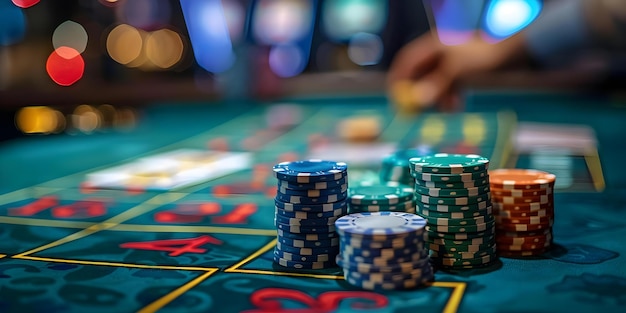
Another strategy involves choosing games with a lower house edge. For instance, opting for games like baccarat or video poker can offer players better odds compared to slots. By being selective in game choice and employing basic strategy, players can significantly increase their chances of walking away with winnings. This logical approach can turn a casual visit to the casino into a more strategic endeavor, allowing players to enjoy the thrill while still being mindful of the odds.
The Psychology of Gambling
The psychology behind gambling plays a significant role in how individuals interact with casinos. Many players enter casinos with the belief that they can beat the house, often driven by the allure of big winnings and the excitement of chance. This mindset can lead to a state of cognitive bias, where players ignore losses and focus only on the potential for future wins. Understanding this psychological phenomenon is essential for players looking to make informed decisions.
Moreover, the environment of a casino is designed to enhance this psychological experience. The sounds of slot machines, the visual stimulation of bright lights, and the presence of other excited gamblers can create an adrenaline-fueled atmosphere that encourages continued play. This design can lead players to lose track of time and money, entrapping them in a cycle of hope and anticipation that often results in losses. Acknowledging these psychological triggers can help players remain grounded and maintain a level of control over their gambling habits.
Ultimately, responsible gambling starts with self-awareness. Players should establish clear limits for their spending and adhere to them strictly. Recognizing when the enjoyment of gaming turns into a potential problem is crucial for maintaining a healthy relationship with gambling. By approaching gambling with a strategic mindset and a keen awareness of one’s psychological triggers, players can enjoy their time at the casino while minimizing the risks associated with the house edge.
The Role of Luck in Gambling
Luck is an undeniable factor in the realm of casino gaming. While strategies and skills can influence outcomes, ultimately, many games rely heavily on chance. This reality can be both exhilarating and frustrating for players. For example, in a game of roulette, no matter how much one studies the odds or practices strategies, the outcome of each spin is still reliant on random chance. This makes it essential for players to balance their strategies with the understanding that luck will play a pivotal role in their success.
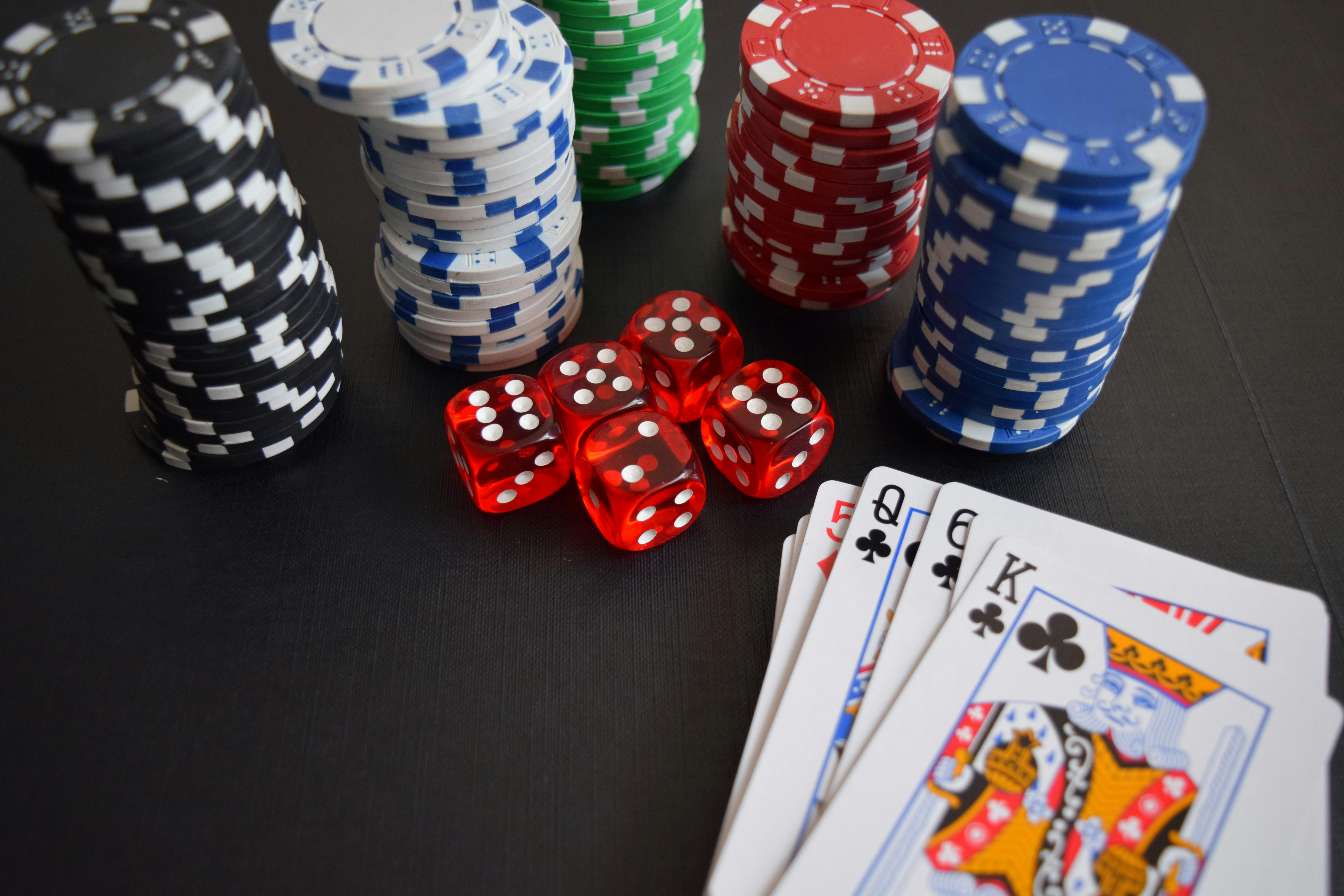
The unpredictable nature of luck is also what keeps many players coming back for more. The thrill of a big win or hitting a jackpot is a powerful motivator, and casinos often market this randomness to entice players. While the potential for winning big is what draws many to casinos, it’s critical to remember that chasing luck can lead to increased losses. Establishing a healthy perspective on luck can help players maintain a balanced approach to their gaming experience.
In conclusion, luck serves as a double-edged sword in the world of gambling. It can lead to thrilling highs and devastating lows. Therefore, players should strive to enjoy the entertainment value of gaming while being mindful that luck is just one component of the experience. By balancing strategy, luck, and responsible gambling practices, players can create a more sustainable approach to their casino visits.
Your Guide to Responsible Gaming
When it comes to gambling responsibly, education and awareness are key. Familiarizing oneself with the rules of various games, understanding the house edge, and implementing strategies can significantly enhance the gaming experience. Equally important is recognizing the signs of problem gambling and knowing when to take a break. Responsible gaming involves setting personal limits on time and money spent at the casino, ensuring that the experience remains enjoyable rather than problematic.
Many resources are available to help players stay informed. Numerous gambling websites include sections dedicated to responsible gaming practices, offering tips on how to gamble smartly and avoid common pitfalls. These platforms often provide self-assessment tools, enabling players to evaluate their gaming habits honestly. Advocating for a balanced approach can lead to a healthier long-term relationship with gambling and enhance the overall enjoyment of casino games.
Ultimately, the goal of responsible gaming is to maintain the fun aspect of gambling while minimizing risks. By embracing education, setting limits, and being aware of psychological influences, players can navigate the world of casinos more safely. Enjoy the excitement, but remember to play smartly and seek help if gambling ever feels overwhelming.